

What happens them if something happens me?
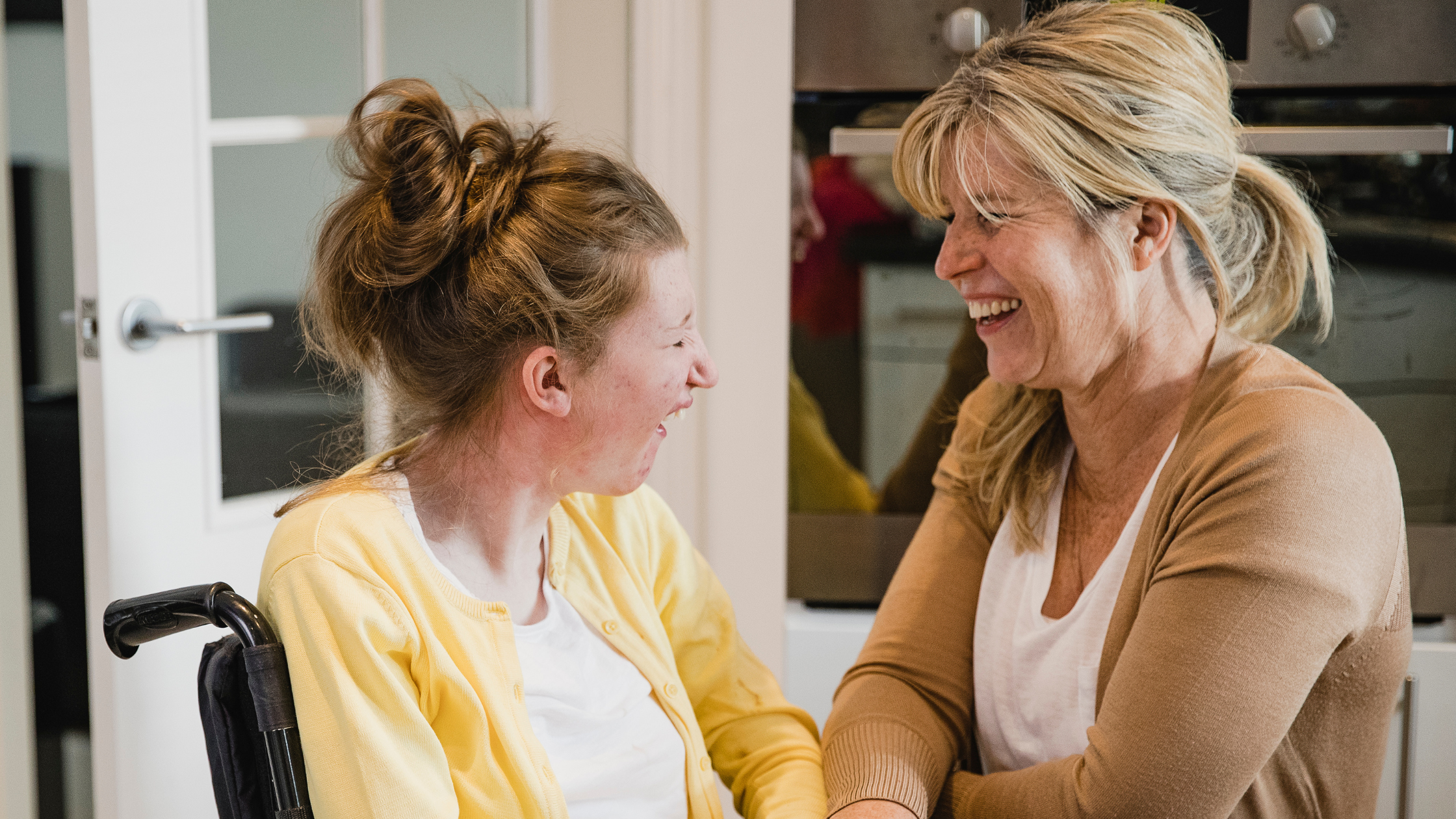
It's the question every parent asks but rarely wants to say out loud: What happens to my disabled son or daughter if something happens to me?
Recently, this question has been coming up more and more in my conversations with families. And I'm realising we all share the same fear - but very few of us know what to actually do about it.
I have been speaking with a lot of families, as I always do. Mostly people are interested in self-directed support and how my daughter is getting on with her personal budget. However, the past few conversations have been different.
Many of the people I’ve spoken to have opted for long term residential care for their loved ones, mainly, they explain, as a last resort. Their disabled adult son or daughter is on a list but there has been no progress, or there is no place. I spoke to a woman recently whose husband died suddenly. She’s had the actual wake up call that we all dread. The wake up call that forces you to face the question: What happens to them when I'm gone?
So what’s the right thing to do? That is a question for each individual family and the person themselves. However, I know for sure that no one I have spoken to knows the answer. I admire those people who are in the process of putting arrangements in place, something we have yet to do as a family. There's so much different and conflicting advice from different perspectives, from different legislative arrangements. Will it result in different outcomes for my daughter if I plan it wrong? Who knows?
What I do know is that we need better support with this. Not just emotional support - practical support. Clear guidance. Systems that help us plan without the overwhelming confusion.
Things I do know:
My approach and love for my daughter and her brothers and sister is consistent. In fact it grows.
We can't force our perspective on other people.
People deserve to know the options and have a choice in this.
We need services, funders and charities to work with families to put practical arrangements in place, not just to give us peace of mind if something happens in the future, which we desperately need, but afford us as parent/carers and siblings the opportunity to live well now in the knowledge that our loved ones are provided for.
We need the practical tools, consistent advice and direction on how to do it.
This is why inCharge matters to me. It's not just about coordinating care today - it's about documenting the knowledge that lives in my head. The routines, preferences, and details that make Georgia's life her life.
Because one day, someone else will need to know these things. And I want to make sure they can.
Join us
For families: Our Early Adopter Programme is open - join families already using inCharge across the UK, Ireland, and Australia.
For local authorities: Contact us to book a demo and see how inCharge supports self-directed care in practice.
Get in touch: hello@inchargehq.com